

August 12, 2026
How Jewelry Brands Scale Production with OEM Manufacturing
For a growing jewelry brand, increasing production is more than simply placing a larger order. As demand grows, brands need to maintain consistent designs, material specifications, finishing standards, product quality, and delivery requirements across every production run.
This is where OEM Jewelry Manufacturing can provide a structured approach to scaling jewelry production. Instead of building and managing an entire manufacturing operation internally, brands can work with an OEM manufacturing partner to turn approved designs and specifications into repeatable production.
What Does Scaling Jewelry Production Mean?
Scaling jewelry production means increasing manufacturing output while maintaining the standards established for the original product
A successful scale-up should preserve:
-
Design specifications
-
Product dimensions
-
Metal requirements
-
Diamond and gemstone specifications
-
Stone placement
-
Finishing standards
-
Quality requirements
-
Packaging specifications
The objective is not simply to manufacture more pieces. It is to manufacture more pieces without losing consistency.
Why Jewelry Brands Start With Smaller Production Runs
Many jewelry businesses begin with smaller production quantities when launching a new collection. This allows brands to evaluate customer demand, pricing, product performance, and market response before committing to larger quantities.
Small-batch production can also help businesses identify design or manufacturing improvements before moving toward larger orders.
Once specific products demonstrate consistent demand, brands can begin planning repeat or larger production runs with greater confidence.
The Role of OEM Manufacturing in Scaling
An OEM jewelry manufacturing model allows a brand to provide its product requirements while the manufacturing partner manages production according to approved specifications.
A structured workflow can include:
Each stage provides an opportunity to confirm that the approved specifications are maintained before moving to the next stage.
Why CAD Becomes Important When Production Scales
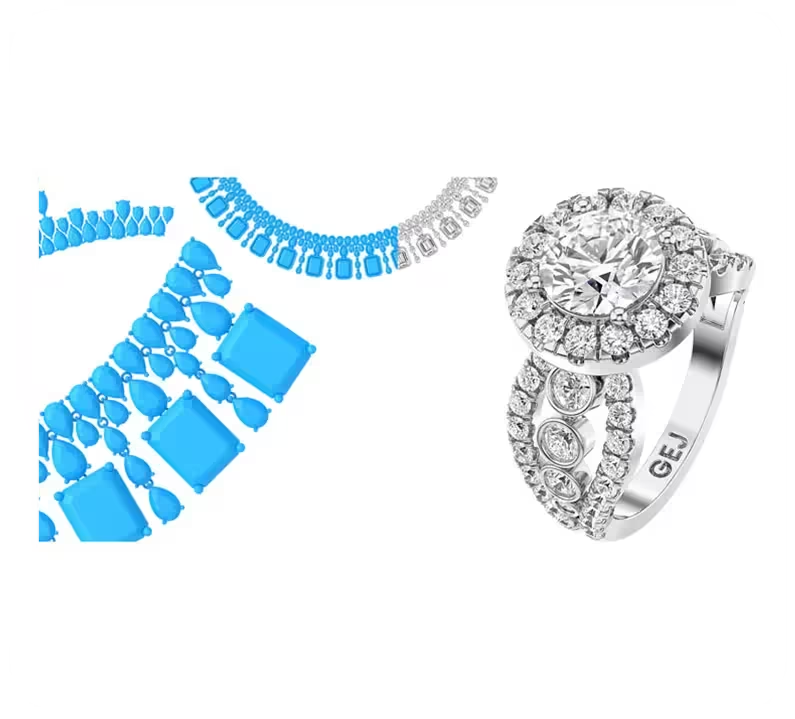
A jewelry design needs to be accurately documented before it can be reproduced consistently. CAD provides a detailed digital reference for elements such as dimensions, proportions, stone placement, structural details, and overall product geometry.
For brands developing new collections, Jewelry CAD and 3D Modeling Services can help transform a concept or reference into a detailed digital model before production.
When a product needs to be manufactured repeatedly, an approved CAD model can provide a consistent reference for future production.
From Prototype Approval to Repeat Production
Before committing to a larger production run, brands can review a prototype or sample to assess:
-
Overall appearance
-
Product dimensions
-
Stone positioning
-
Finishing
-
Structural details
-
Design accuracy
Once the prototype is approved, the finalized specifications can become the reference for subsequent production. This creates a more repeatable process and reduces the need to reinterpret the same design for every order.
Maintaining Quality as Production Increases
Scaling production should never mean compromising quality. As production volumes increase, structured quality control becomes increasingly important.
Depending on the manufacturing workflow, quality checks may evaluate:
-
Product dimensions
-
Metal finishing
-
Stone security
-
Surface quality
-
Structural integrity
-
Product weight
-
Overall workmanship
A defined inspection process helps identify inconsistencies before finished products reach the brand or its customers.
Why Production Specifications Matter
Growing jewelry brands should maintain clearly documented specifications for repeat products. These can include the approved CAD model, dimensions, materials, stone specifications, finishing requirements, branding instructions, packaging requirements, and production quantities.
The clearer these specifications are, the easier it becomes for the manufacturing team to reproduce the same product consistently across future orders.
Scaling Custom Jewelry Without Losing Brand Identity
One of the biggest concerns for growing jewelry brands is maintaining their identity while increasing production.
Scaling should not turn a custom collection into a generic product line. Approved designs, materials, finishing, and branding requirements should remain central to the production process.
This is particularly important for private label jewelry manufacturing, where product differentiation is an important part of a brand's identity and value proposition.
What Should Brands Look for in an OEM Jewelry Manufacturer?
Before selecting an OEM jewelry manufacturer, brands should evaluate more than production pricing.
Important considerations include:
-
Custom manufacturing capabilities
-
CAD and design development
-
Prototype development
-
Quality-control procedures
-
Clear production communication
-
Repeat-production capability
-
Ability to follow detailed specifications
-
International production and delivery experience
-
Long-term manufacturing support
A manufacturer capable of supporting both initial product development and future repeat production can provide greater continuity as a jewelry brand grows.
Why Businesses Choose G.Eager Jewels
Scaling jewelry production requires more than simply increasing manufacturing quantities. Brands also need a reliable workflow for managing designs, orders, production and international delivery.
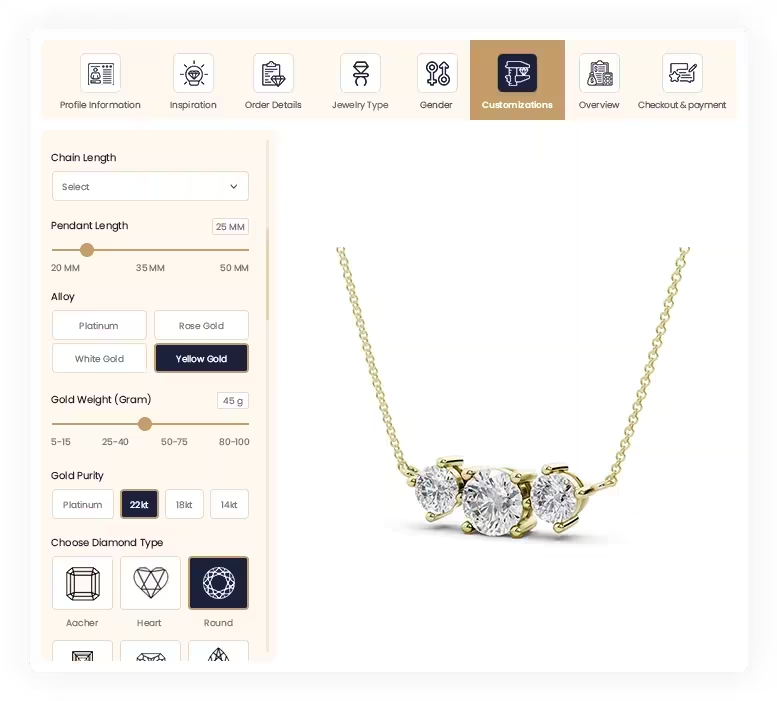
G.Eager Jewels combines OEM manufacturing with an online platform that allows businesses to manage custom production requirements digitally as their business grows.
International brands can also benefit from the flexibility built into the ordering process. Where applicable, eligible customers can select the appropriate VAT treatment, including a VAT-free order option during OEM checkout.
This gives growing brands greater control over both manufacturing and the commercial side of international orders.
By combining custom production, digital order management, quality control, international delivery and flexible VAT handling, G.Eager Jewels provides an OEM manufacturing model designed to support growing jewelry businesses.
Final Thoughts
Scaling jewelry production requires more than increasing order quantities. Brands need accurate product specifications, approved designs, repeatable manufacturing processes, quality control, and a manufacturing partner capable of supporting evolving requirements.
OEM Jewelry Manufacturing can provide a practical model for brands that want to increase production while maintaining control over product quality and brand standards.
For a jewelry business moving from smaller production runs toward larger or recurring orders, establishing a structured manufacturing workflow can make future growth more predictable and sustainable.
Ready to Scale Your Jewelry Production?
If your jewelry brand is preparing for larger production runs or developing a new collection, discuss your requirements with G.Eager Jewels.