

September 01, 2026
What Information Does a Jewelry Manufacturer Need From a Brand?
Choosing a jewelry manufacturer is only the first step. For a smooth production process, the manufacturer also needs clear information about the product, design, materials, quantities, and manufacturing requirements.
Providing the right details from the beginning can reduce unnecessary revisions, improve production accuracy, and help ensure the finished jewelry matches the brand's expectations
1. Jewelry Design or Concept
The first requirement is usually the jewelry design itself.
A brand may provide a finished CAD file, sketch, reference image, technical drawing, or a detailed concept. The clearer the design is communicated, the easier it is for the manufacturer to understand the intended shape, proportions, and overall appearance.
For brands developing a new collection, several design references may also be provided to establish a consistent visual direction.
2. Jewelry Type and Specifications
The manufacturer needs to know exactly what type of jewelry is being produced.
This may include:
-
Rings
-
Earrings
-
Necklaces
-
Pendants
-
Bracelets
-
Bespoke jewelry pieces
-
Complete collections
Product specifications such as dimensions, stone placement, weight requirements, and other design details should also be defined wherever applicable.
3. Metal and Material Requirements
The choice of metal directly affects the appearance, manufacturing process, and final product.
Brands should specify the required material and, where relevant, its fineness or alloy requirements.
For example, a brand may require a specific gold specification or another precious metal depending on its collection and target market.
Clear material requirements help the manufacturer produce the piece according to the intended specifications
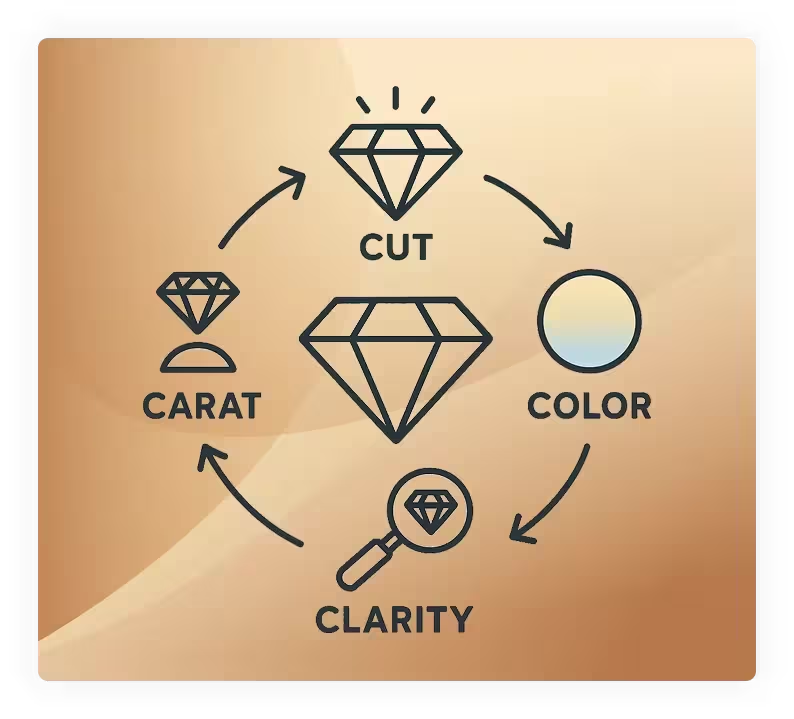
4. Gemstone and Diamond Requirements
If the jewelry includes diamonds or gemstones, the manufacturer needs information about the stones required for the design.
This can include:
-
Gemstone type
-
Diamond requirements
-
Stone shape and cut
-
Approximate size
-
Number of stones
-
Placement within the design
-
Colour requirements, where applicable
Clear gemstone specifications are particularly important when the stone is an integral part of the design
5. Quantity and Production Requirements
The manufacturer also needs to understand how many pieces the brand wants to produce.
A brand launching a small collection may have very different requirements from an established business preparing a larger production run.
Providing the expected quantity helps the manufacturer understand the scale of the project and plan the production process accordingly.
6. CAD and Production Files
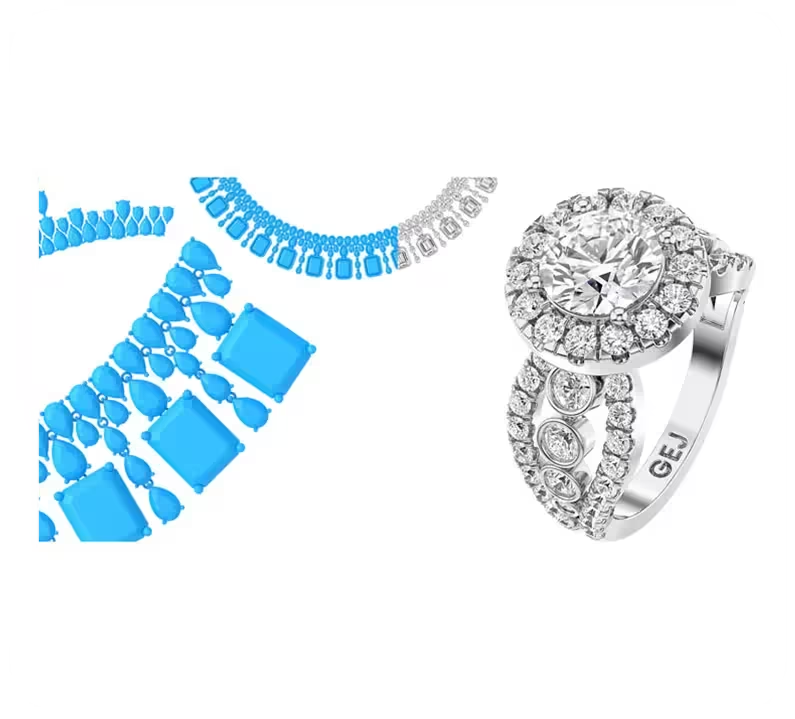
For complex or highly customised jewelry, production-ready digital files can make the transition from design to manufacturing more efficient.
CAD models can help manufacturers review proportions, dimensions, gemstone placement, and structural details before production begins.
If a brand does not already have a production-ready CAD model, professional jewelry CAD and 3D modeling services can help turn a concept into a digital model suitable for review and production.
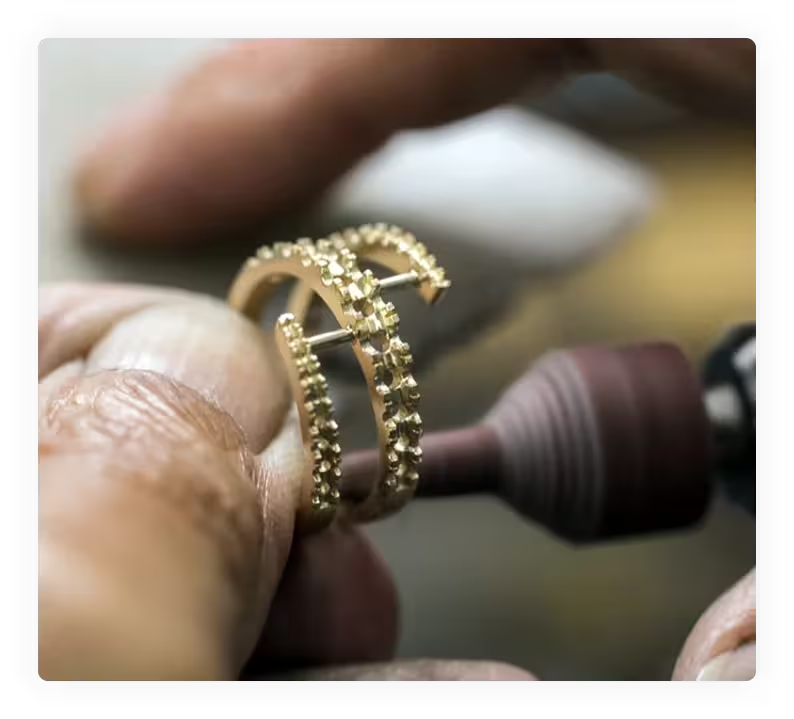
7. Finishing and Appearance Requirements
The final appearance of a jewelry piece is influenced by details beyond its basic design.
Brands may need to communicate requirements related to:
-
Surface finish
-
Polishing
-
Texture
-
Metal appearance
-
Gemstone presentation
-
Overall visual finish
Defining these expectations early helps the manufacturer understand how the finished product should look.
8. Packaging and Delivery Requirements
Manufacturing does not necessarily end when the jewelry is completed.
Brands should also consider packaging, shipping, documentation, and destination requirements when planning an order.
For international orders, delivery arrangements can be particularly important because requirements may vary depending on the destination.
9. The More Complete the Brief, the Smoother the Process
A manufacturer can only work effectively with the information provided.
A clear production brief brings together the important elements of the project:
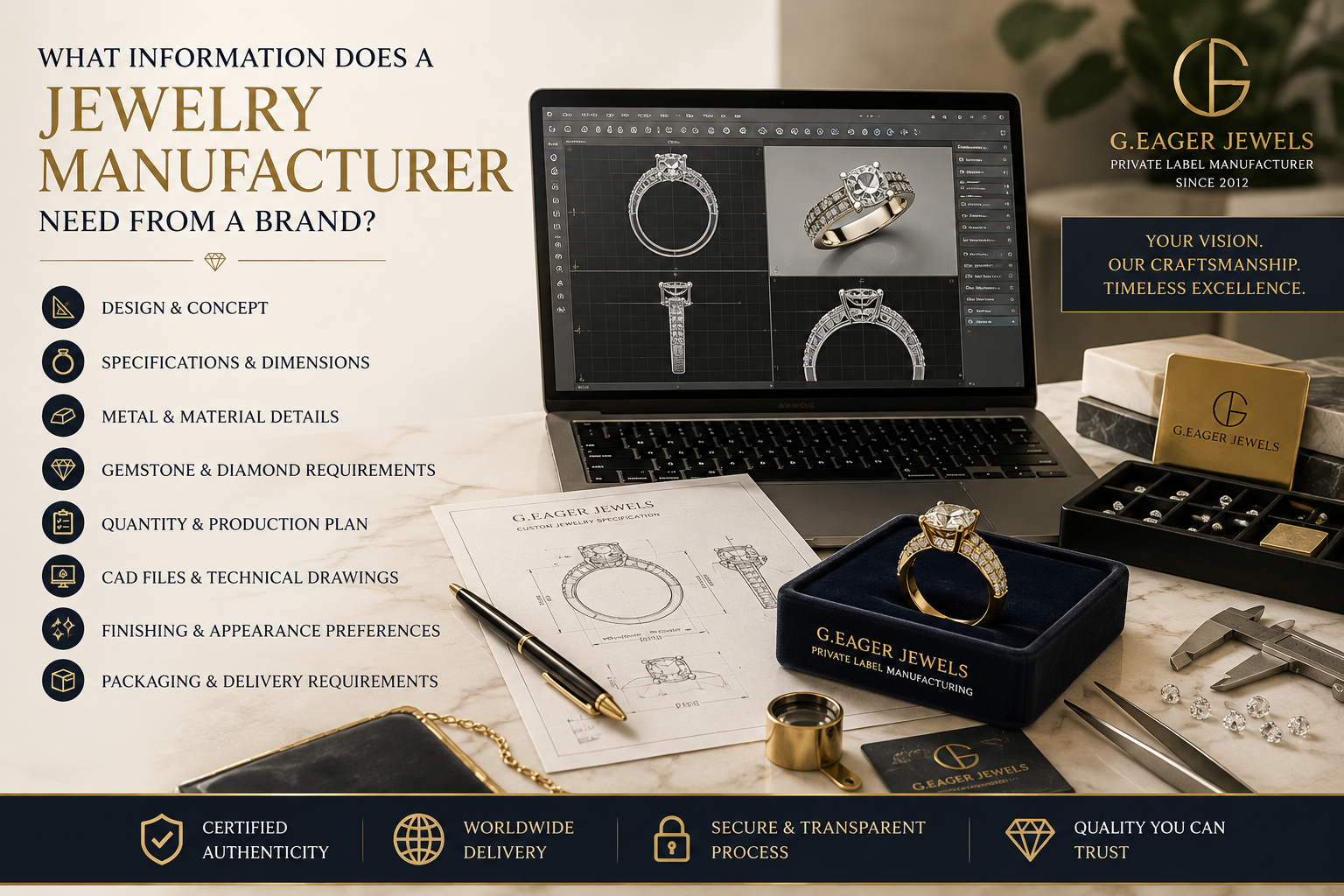
Design → Specifications → Materials → Gemstones → Quantity → CAD → Finishing → Delivery
When these requirements are clearly defined, there is less room for misunderstanding between the brand and manufacturing partner.
What Happens After the Requirements Are Submitted?
Once the necessary product information has been established, the project can move toward production.
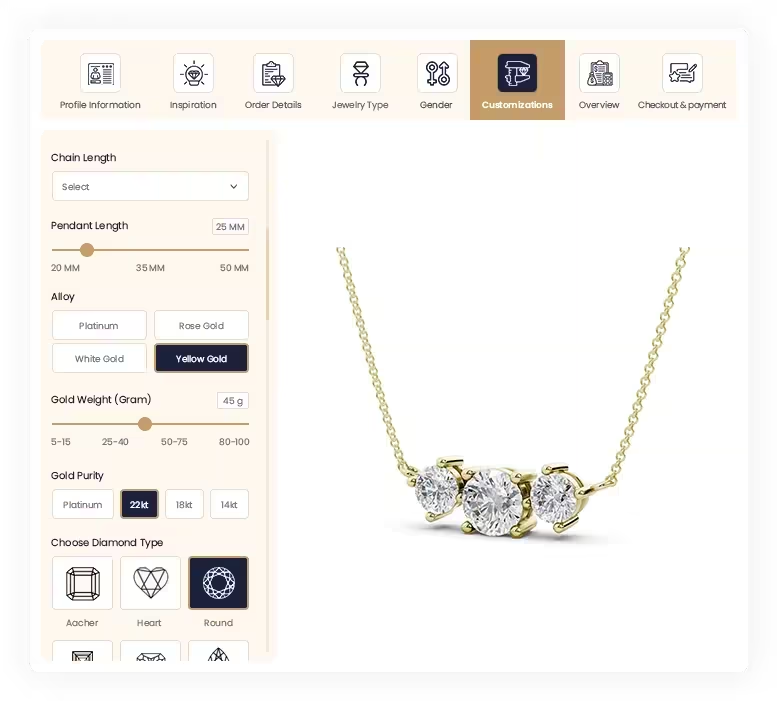
A digitalised manufacturing workflow can make this process more structured by allowing brands to submit product requirements, review applicable pricing, complete ordering steps, and move approved requirements into manufacturing. For businesses working with multiple products, having a structured process can also make it easier to manage individual jewelry projects and collections.
Final Thoughts
A successful jewelry manufacturing project starts long before production begins.
Whether a brand is developing one bespoke piece or preparing an entire collection, providing accurate information about the design, materials, gemstones, specifications, quantity, and delivery requirements gives the manufacturing partner a stronger foundation to work from.
For growing jewelry brands, the goal should not simply be to find a manufacturer. It should be to establish a manufacturing process where the brand's requirements are clearly understood from concept through final production.